





Introduction
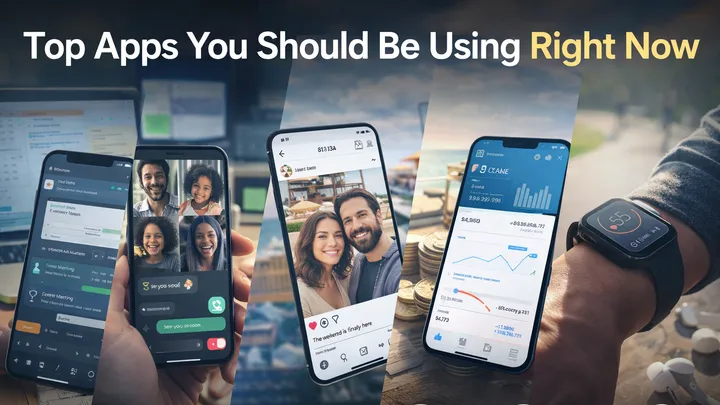
In today’s digital-first world, mobile applications are no longer just tools—they are essential parts of how we work, communicate, learn, and entertain ourselves. From managing daily tasks to connecting with people globally, the right apps can dramatically improve both productivity and quality of life. However, with millions of apps available across platforms, choosing the right ones can feel overwhelming.
This article explores top apps across multiple categories, not by simply listing them, but by analyzing why they stand out. We will break down how these apps function, what makes them successful, and how they impact user behavior. Whether you are looking to boost productivity, stay organized, or simply enjoy better digital experiences, this guide will help you understand what truly makes an app worth using.
What Defines a “Top App” Today
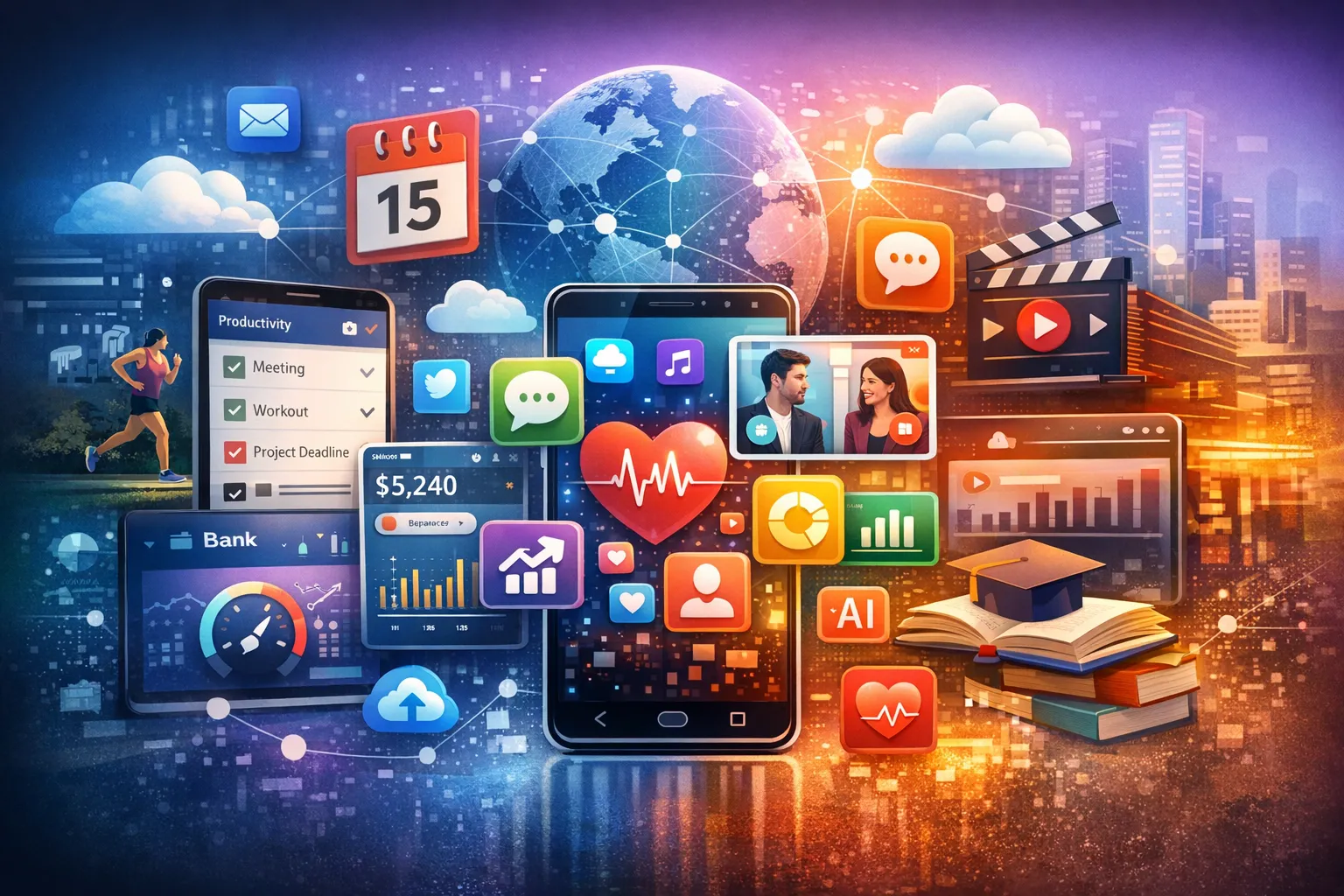
A top app is not just one with high downloads—it is one that delivers consistent value to users. The most successful apps solve real problems efficiently while maintaining a smooth user experience.
User retention is the key metric. Apps that people open daily tend to have intuitive design, fast performance, and meaningful features. Simplicity combined with powerful functionality is often the winning formula.
- Easy to use interface
- Fast and reliable performance
- Real-world usefulness
- Regular updates and improvements
Productivity Apps That Actually Improve Your Life
Productivity apps have become essential for managing time, tasks, and goals. However, not all productivity tools are effective—many add complexity instead of reducing it.
The best productivity apps focus on clarity. They help users prioritize tasks, reduce distractions, and maintain focus. Features like reminders, scheduling, and integration with other tools make them powerful companions in daily life.
- Task management systems
- Calendar integration
- Focus and time tracking tools
- Cross-device synchronization
Communication Apps and the Evolution of Connectivity
Communication apps have transformed how people interact. Messaging, video calls, and collaboration tools are now central to both personal and professional life.
Modern communication apps emphasize speed, reliability, and multimedia support. They allow users to share text, voice, video, and files seamlessly.
The success of these apps lies in their ability to bring people together instantly, regardless of distance.
Social Media Apps and User Engagement
Social media apps dominate screen time for many users. Their success comes from their ability to capture attention and create engagement loops.
These apps use algorithms to personalize content, ensuring users always see something relevant. While this increases engagement, it also raises questions about digital well-being.
- Personalized content feeds
- Instant interaction features
- Community building tools
- Content creation support
Entertainment Apps and On-Demand Content
Entertainment apps provide instant access to movies, music, and games. They have replaced traditional media consumption methods.
The key advantage of these apps is convenience. Users can access content anytime, anywhere, without limitations.
Streaming platforms and gaming apps continue to evolve, offering higher quality and more personalized experiences.
Health and Fitness Apps for a Better Lifestyle
Health apps have gained popularity as people become more conscious of their well-being. These apps track physical activity, diet, and mental health.
The best health apps provide actionable insights rather than just data. They help users make better lifestyle choices and stay consistent with their goals.
- Activity tracking
- Diet and nutrition planning
- Sleep monitoring
- Mental health support
Finance Apps and Smart Money Management
Managing finances has become easier with modern apps. Users can track spending, save money, and even invest directly from their phones.
These apps provide transparency and control, helping users make informed financial decisions.
Security and reliability are crucial in this category, as users trust these apps with sensitive information.
Learning Apps and Skill Development
Learning apps have made education more accessible than ever. Users can acquire new skills at their own pace.
These apps often use interactive methods such as quizzes, videos, and gamification to keep users engaged.
The flexibility they offer makes them ideal for both students and professionals.
Design and User Experience: The Key to Success
An app’s design plays a major role in its success. A well-designed app feels natural and intuitive.
User experience goes beyond visuals—it includes navigation, responsiveness, and overall usability. Apps that are difficult to use rarely succeed, regardless of their features.
- Clean interface
- Smooth navigation
- Fast loading times
- Minimal learning curve
The Role of AI and Personalization in Modern Apps
Artificial intelligence is transforming how apps function. From recommendations to automation, AI enhances user experience.
Personalization allows apps to adapt to individual preferences, making them more relevant and useful.
This trend is expected to grow, making apps smarter and more efficient over time.
Future Trends in the App Ecosystem
The future of apps lies in integration and intelligence. Apps are becoming more interconnected, allowing seamless workflows across platforms.
Emerging technologies such as augmented reality, cloud computing, and advanced AI will redefine how apps are used.
Users can expect more immersive, efficient, and personalized experiences in the coming years.
Conclusion
Top apps are those that simplify life, enhance productivity, and provide meaningful experiences. They are not just tools but essential companions in the digital age.
Understanding what makes an app successful helps users make better choices and allows developers to create better products. As technology continues to evolve, the role of apps will only become more significant in shaping how we live and interact with the world.